

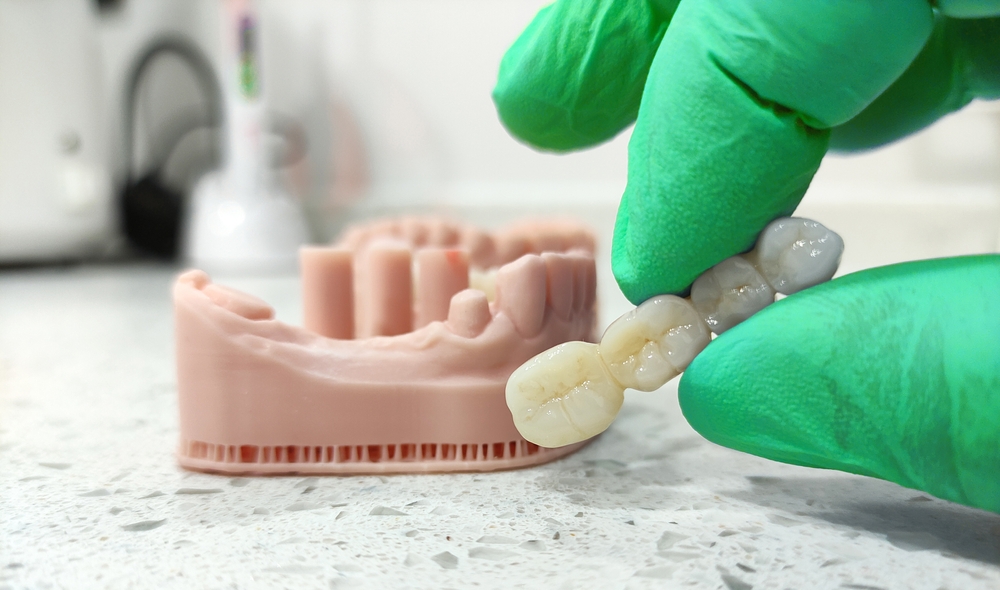
When it comes to restoring damaged or missing teeth, dental crowns and bridges are two widely recommended solutions in restorative dentistry. If you’re looking for cosmetic dental services in Thornhill, understanding the differences between these treatments can help you make an informed decision about your oral health.
Understanding Dental Crowns
A dental crown is a cap that covers a damaged, decayed, or weakened tooth. It restores both function and appearance, and is custom-made to match the colour, shape, and size of your natural teeth.
Your dentist in Thornhill might recommend a crown if you have:
- A tooth with a large filling that needs additional support
- A cracked or fractured tooth
- A tooth that’s undergone root canal therapy
- Severe tooth decay that can’t be fixed with a filling
- Discoloured or misshapen teeth you’d like to improve
Crowns are typically made from porcelain, ceramic, metal alloys, or a combination of materials. Porcelain and ceramic crowns are particularly popular because they blend seamlessly with your natural teeth.
What Are Dental Bridges?
While crowns restore individual teeth, bridges literally “bridge” the gap created by one or more missing teeth, a traditional bridge consists of artificial teeth (called pontics) held in place by dental crowns on the adjacent natural teeth.
Bridges are a solution when you:
- Have one or more missing teeth in a row
- Want a fixed (non-removable) restoration
- Have healthy teeth on either side of the gap
- Want to prevent remaining teeth from shifting out of position
Missing teeth can affect more than just your smile. They can impact your ability to chew properly, cause jaw pain, and lead to bone loss over time. A bridge helps maintain your facial structure and distributes bite forces properly.
Key Differences Between Crowns and Bridges
The primary difference is straightforward: crowns restore existing teeth, while bridges replace missing ones. However, the decision between the two depends on your specific dental situation.
Treatment scope: A crown treats a single damaged tooth, whereas a bridge requires at least three units—two crowns on the anchor teeth and the replacement tooth in between.
Preparation: Both procedures require some tooth preparation. For crowns, your dentist reshapes the damaged tooth. For bridges, the adjacent healthy teeth must be filed down to accommodate the crowns that will hold the bridge.
Longevity: With proper care and regular dental visits, both crowns and bridges can last many years. Your specific results will depend on factors like oral hygiene habits, the location of the restoration, and your overall dental health.
Factors to Consider
The appropriate solution depends entirely on your individual situation. During your consultation, your dentist Thornhill will evaluate factors such as:
- The condition of your surrounding teeth
- Your oral health history
- The location of the damaged or missing tooth
- Your overall dental health goals
Some Thornhill patients may benefit from alternative solutions like dental implants, which don’t require altering adjacent teeth. Others might need a combination of treatments to achieve optimal results. Your dentist will discuss all available options with you.
The Consultation Process
During your initial visit, your dentist will conduct a thorough examination, which may include X-rays and dental impressions. This assessment helps determine which restorative option is best suited to your needs. You’ll have the opportunity to ask questions and understand the process before any treatment begins.
Both procedures typically require two visits. During the first appointment, your tooth or teeth are prepared, and temporary restorations are placed. At the second visit, your permanent crown or bridge is fitted and adjusted for comfort and proper bite alignment.
Caring for Your Restoration
Whether you receive a crown or a bridge, proper oral hygiene is essential for maintaining your restoration. Regular brushing, flossing, and dental checkups will help ensure your restoration remains in good condition. Your dentist will provide specific care instructions based on your treatment.
Schedule Your Consultation at Summeridge Dental
If you have damaged or missing teeth and want to explore your restoration options, the team at Summeridge Dental is here to help. We provide thorough examinations and discuss treatment options tailored to your individual needs.
Contact Summeridge Dental today to schedule your consultation. Our Thornhill practice is committed to providing quality care in a comfortable environment where your questions and concerns are always welcome.